Why Panama

The case for Panama, made with sources you can verify.

Our clients are cautious by design. They do not take our word for it, and neither should you. This is the evidence we share in our first conversation.

For decades, the Caribbean has been one of the most desirable places in the world to live. It is also, increasingly, one of the most demanding. Costs have climbed. Healthcare options are uneven. The logistics of an ordinary life — banking, schooling, a specialist appointment, a parent visiting from abroad — have quietly become harder.

Panama is not a replacement for the life you've built. It is an alternative worth considering on its own terms. What follows is the evidence we show clients who ask the hardest question of all: is this actually a better move?

01 · Currency

A dollar economy since 1904.

Panama has used the U.S. dollar as legal tender since 1904, alongside its national currency (the balboa), which is pegged one-to-one to the dollar. There is no separate monetary policy, no devaluation history, and no currency conversion when you move money in or out.

For Caribbean residents whose accounts are already dollar-denominated, this is one of the simplest decisions on the page: you are not switching currencies.

IMF country profile · Panama · World Bank data portal · Panama
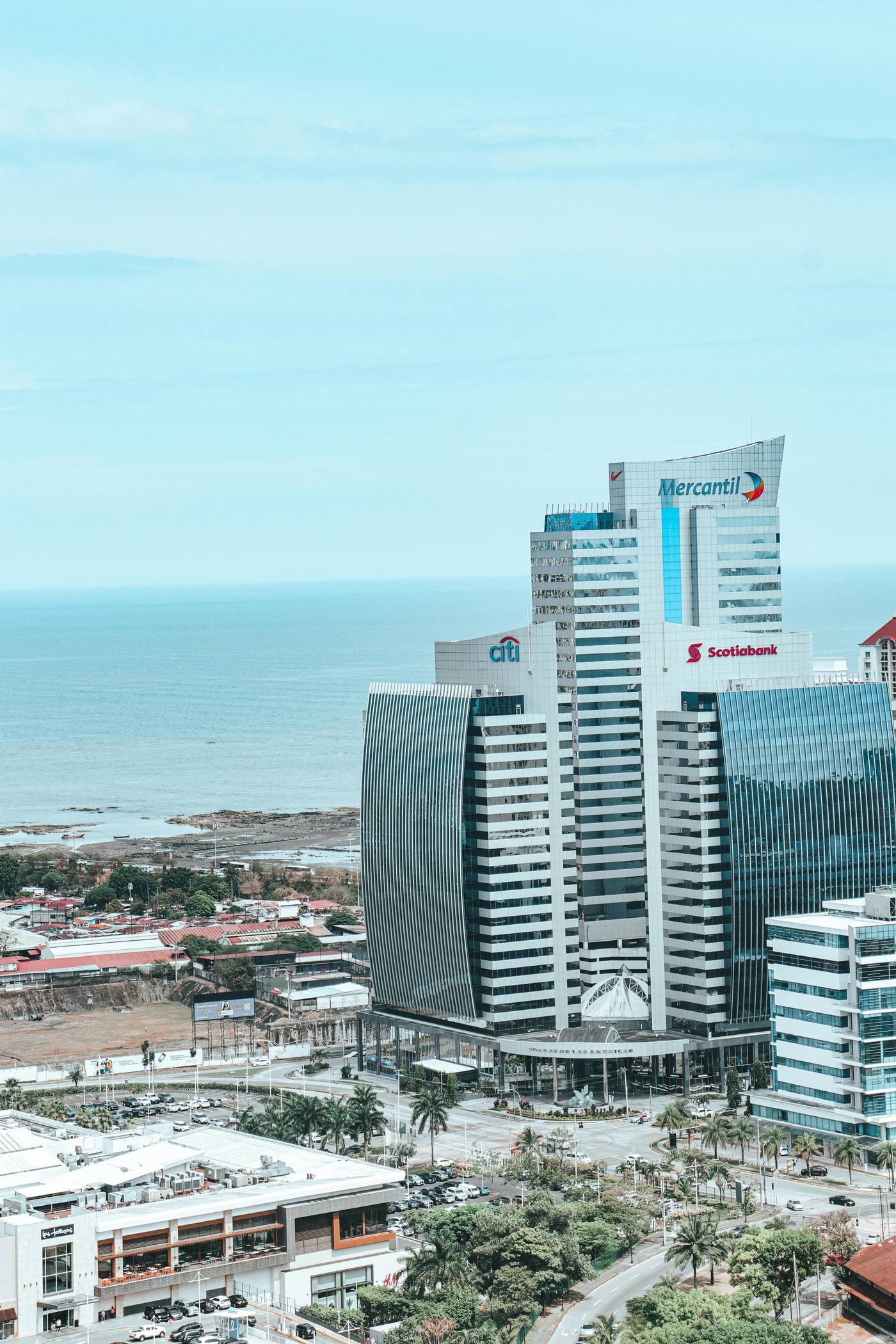
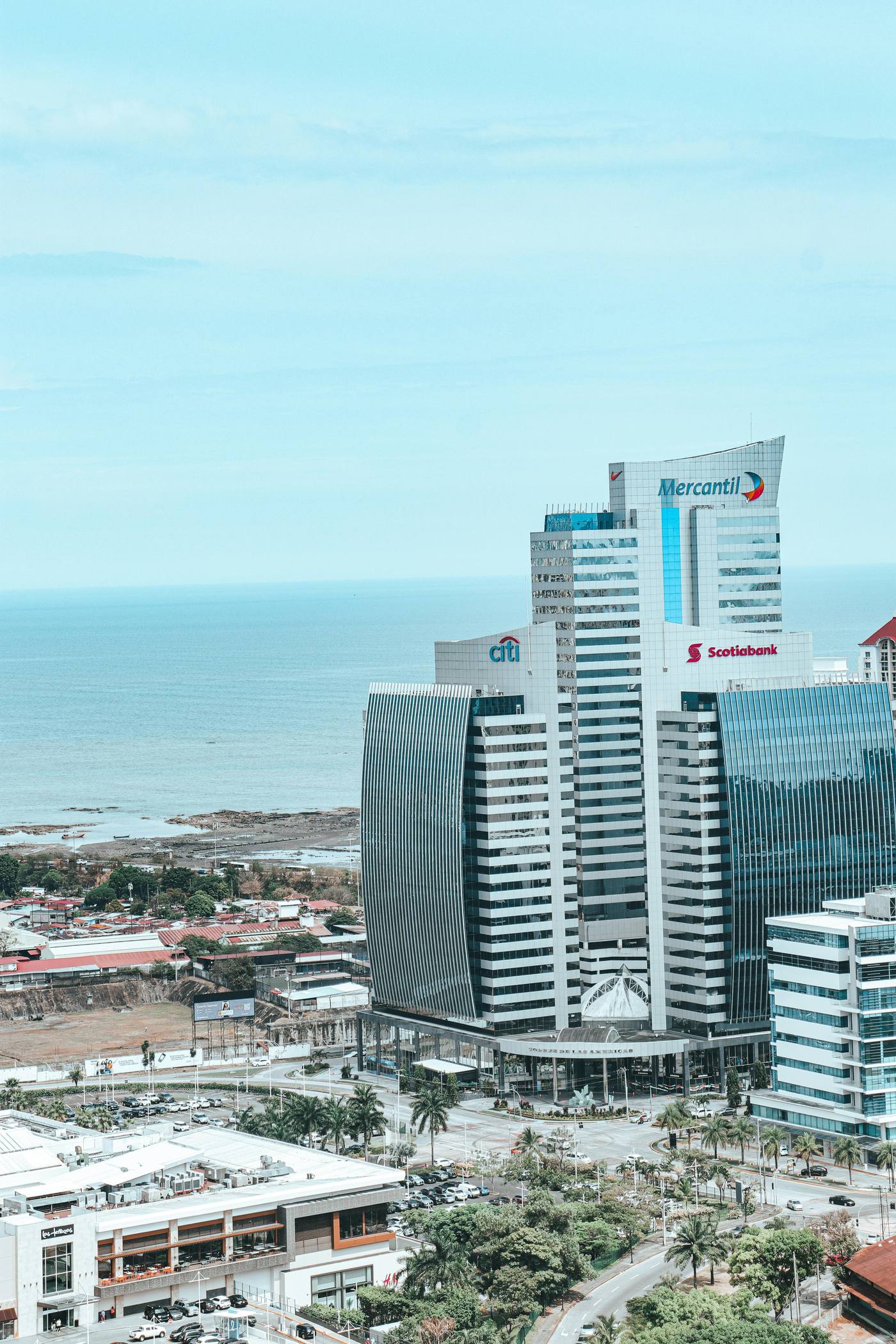
Banking district in Panama City.
A physician in a modern Panama City hospital lobby.
02 · Healthcare

A private system you can actually rely on.

Panama is one of a small number of Latin American countries with multiple Joint Commission International–accredited hospitals. The two most relevant to our clients are Pacífica Salud and Hospital Punta Pacífica, both in Panama City, with internationally trained specialists across cardiology, oncology, orthopedics, and maternal care.

For Caribbean residents accustomed to flying to Miami or Houston for serious procedures, the difference is quietly significant.

Joint Commission International · Read our healthcare page →

03 · Cost of living

A more sensible profile — by a wide margin.

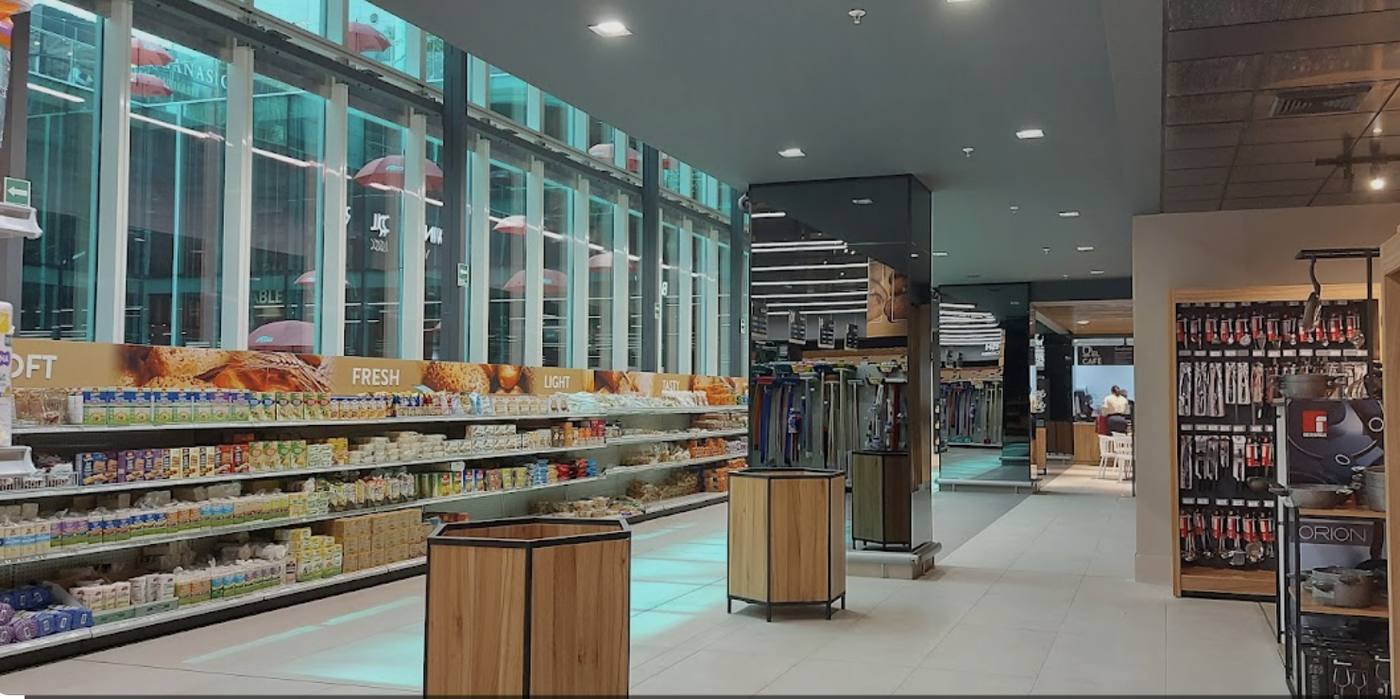
Publicly available comparisons consistently show Panama City as materially more affordable than the high-cost Caribbean markets our clients are leaving. Representative indicative figures (USD):

Interior of a modern Panama City supermarket aisle — indicative of daily retail pricing.
CategoryPanama CityGrand CaymanNassauBridgetown
3-bed apt. rent, central$2,200–$3,500$5,500–$8,500$3,800–$6,500$2,800–$4,200
Groceries (family of 4, month)$800–$1,100$1,800–$2,400$1,400–$1,900$1,100–$1,500
Dinner for 2, mid-range$50–$80$130–$200$110–$160$80–$120
Private health insurance (couple, 60s)$250–$500/mo$900–$1,600/mo$700–$1,200/mo$400–$800/mo
Utilities, 3-bed apt.$120–$200$350–$550$250–$400$200–$320

Indicative ranges compiled from Numbeo cost-of-living data, Mercer Cost of Living Survey, and our internal client data as of 2026. Always verify against current listings before making a decision.

04 · Connectivity

Three hours from home, at most.

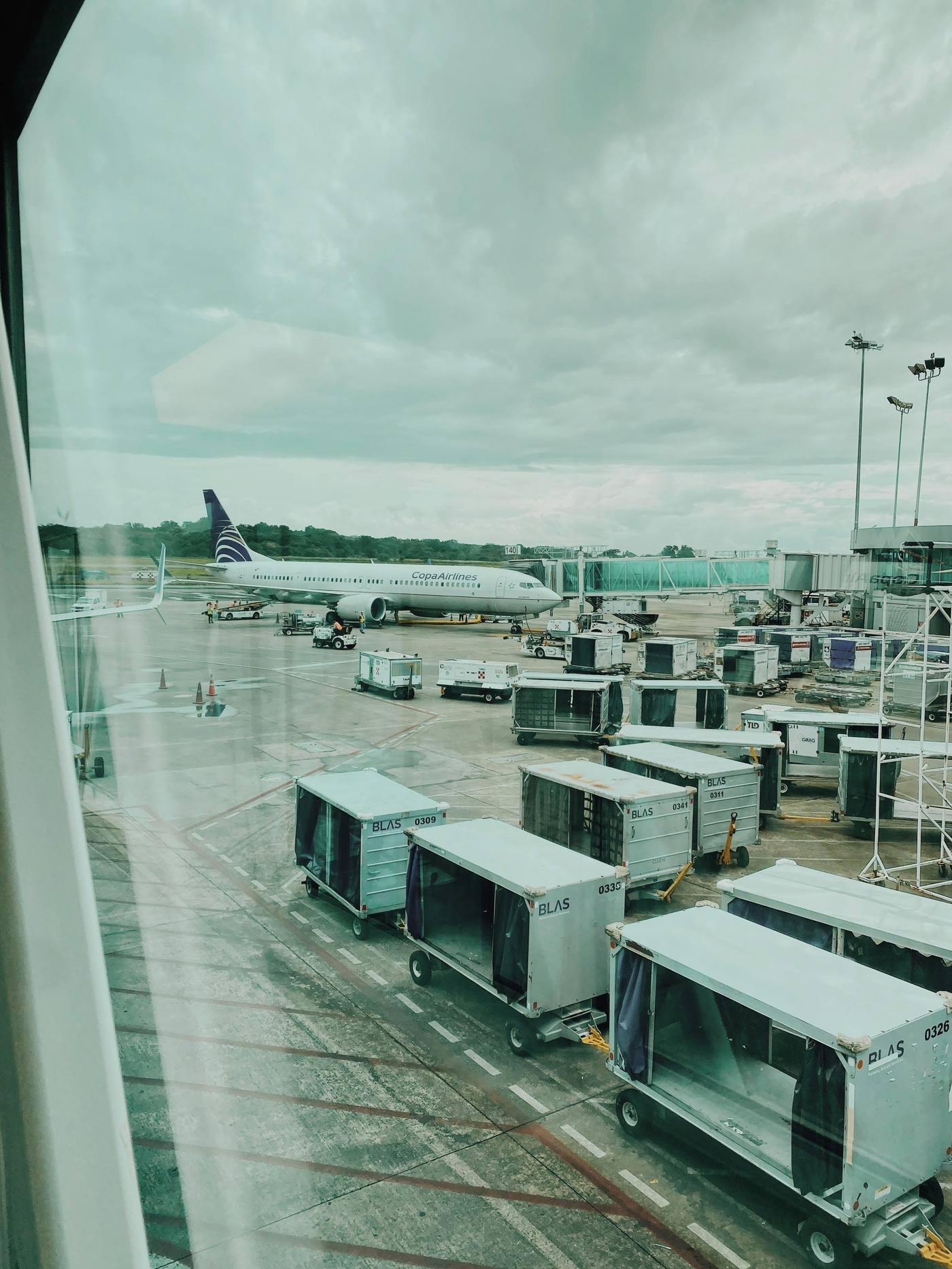
Tocumen International (PTY) is one of the most connected airports in the Americas, with direct service to more than ninety destinations across the continent and Europe. Grand Cayman, Kingston, Nassau, Bridgetown, Port of Spain, Santo Domingo, and San Juan are all reachable without a connection.

For clients with family still in the Caribbean, this is often the detail that tips the scale. A weekend visit home is possible. A grandchild's school play is not out of reach.

Tocumen International Airport

A Copa Airlines aircraft at Tocumen International Airport.
A notary office in Panama City.
05 · Residency

A legal framework built for this decision.

Panama's residency regime is one of the most established in the world. The Pensionado visa — available to those receiving a qualifying lifetime pension — is widely cited as one of the most favorable retirement visas globally, with real benefits on imported goods, travel, entertainment, and healthcare.

For professionals and investors, the Friendly Nations Visa and the Qualified Investor visa provide clear, time-bounded pathways to permanent residency and, eventually, citizenship.

Servicio Nacional de Migración

06 · A real city

Panama is an upper-middle-income economy — with all that implies.

According to the World Bank, Panama is classified as a high-income economy with one of the highest GDP per capita figures in Central America. This is not a tropical retreat. It is a functioning country with universities, museums, international schools (including IB and American curricula), a working metro system, and restaurants that regularly appear in regional "best of" lists.

For clients accustomed to small-island life, this is an adjustment. For those who have started to feel the ceiling of small-island life, it is often the reason they call us.

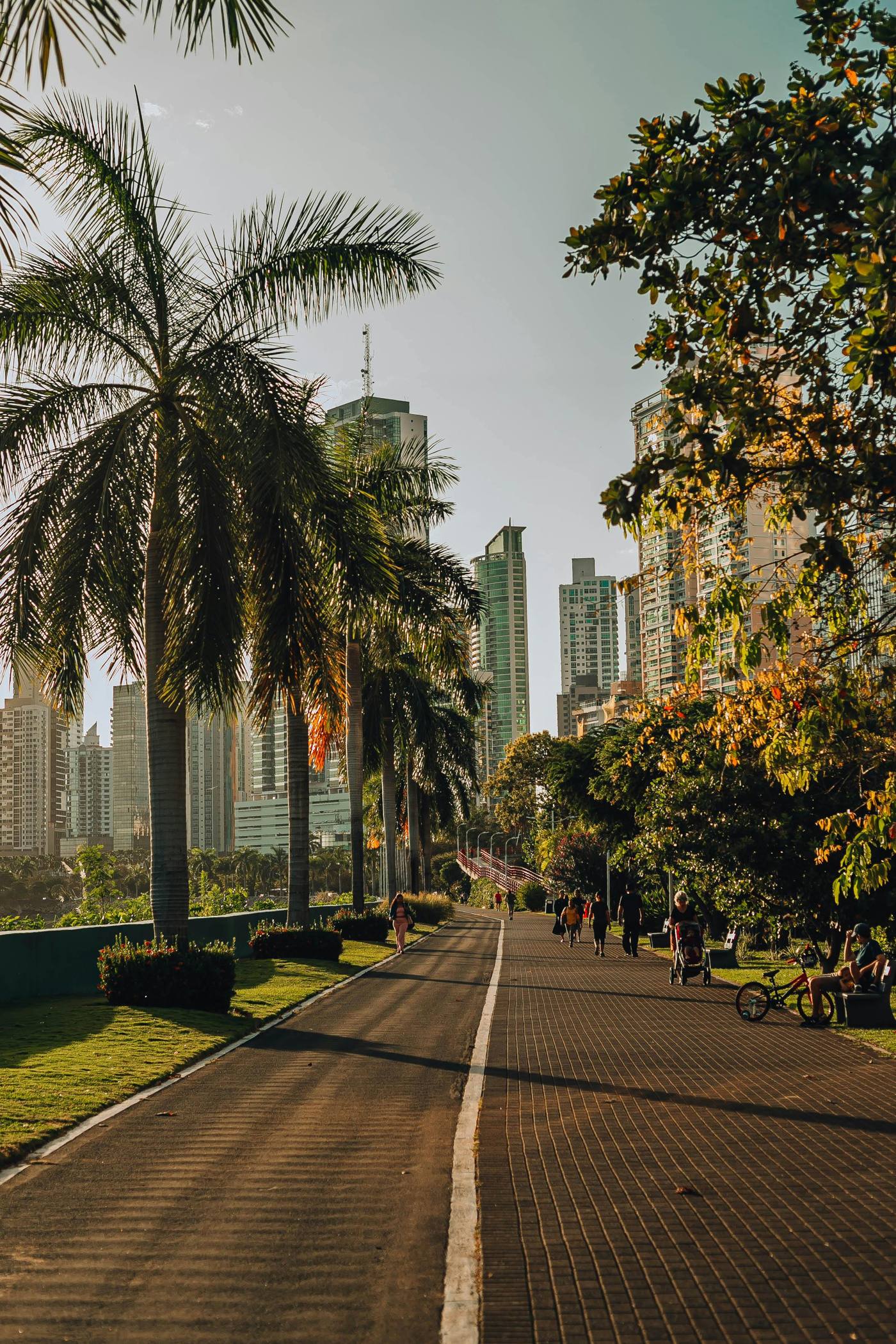
Panama City skyline with Casco Viejo in the foreground.
Next step

Want this in writing, for your own situation?

Our discovery conversation produces a tailored Panama Brief — a written document that maps these facts to your specific circumstances. It is free, confidential, and carries no obligation.

Book a discovery conversation
Book a callWhatsApp