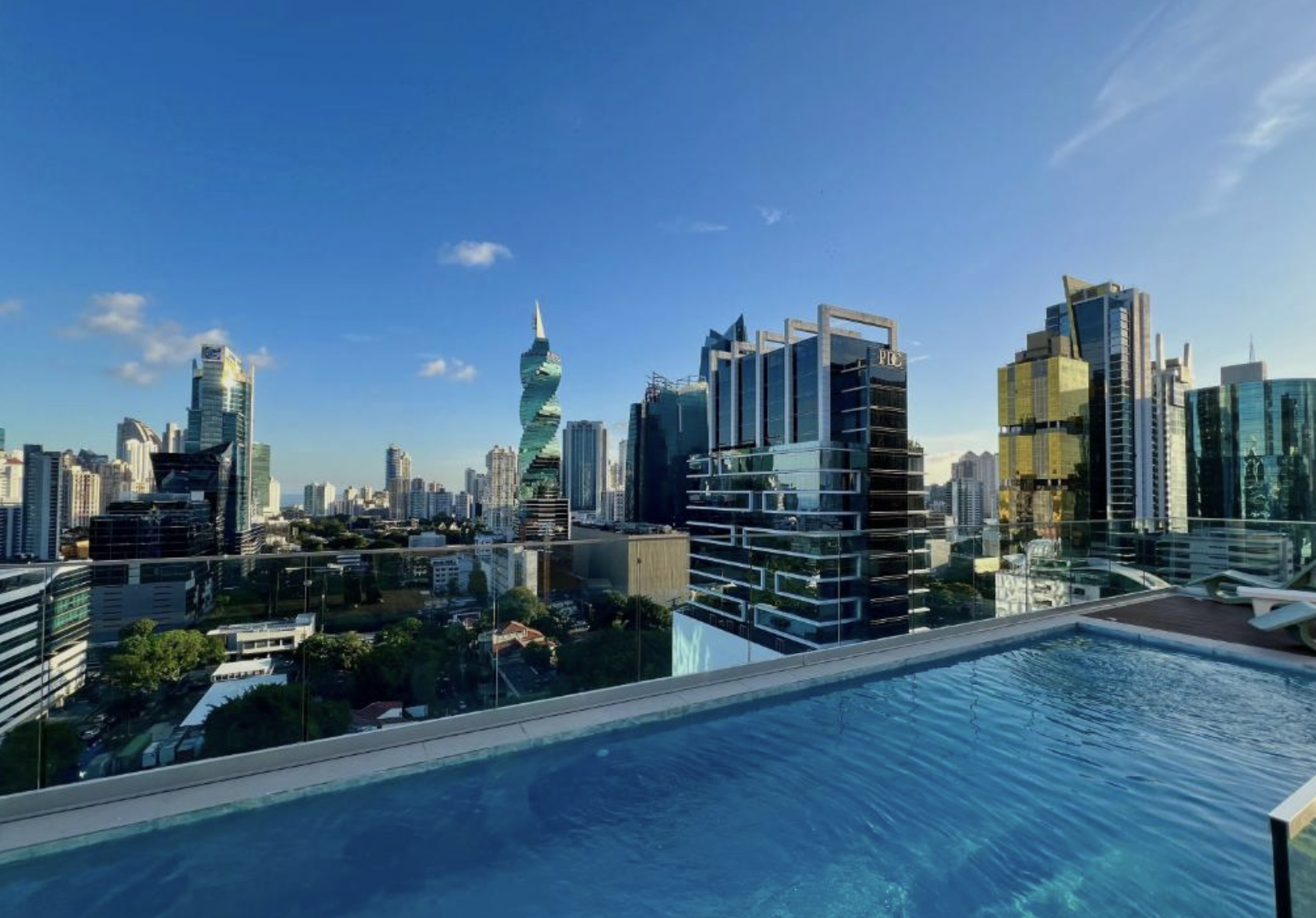
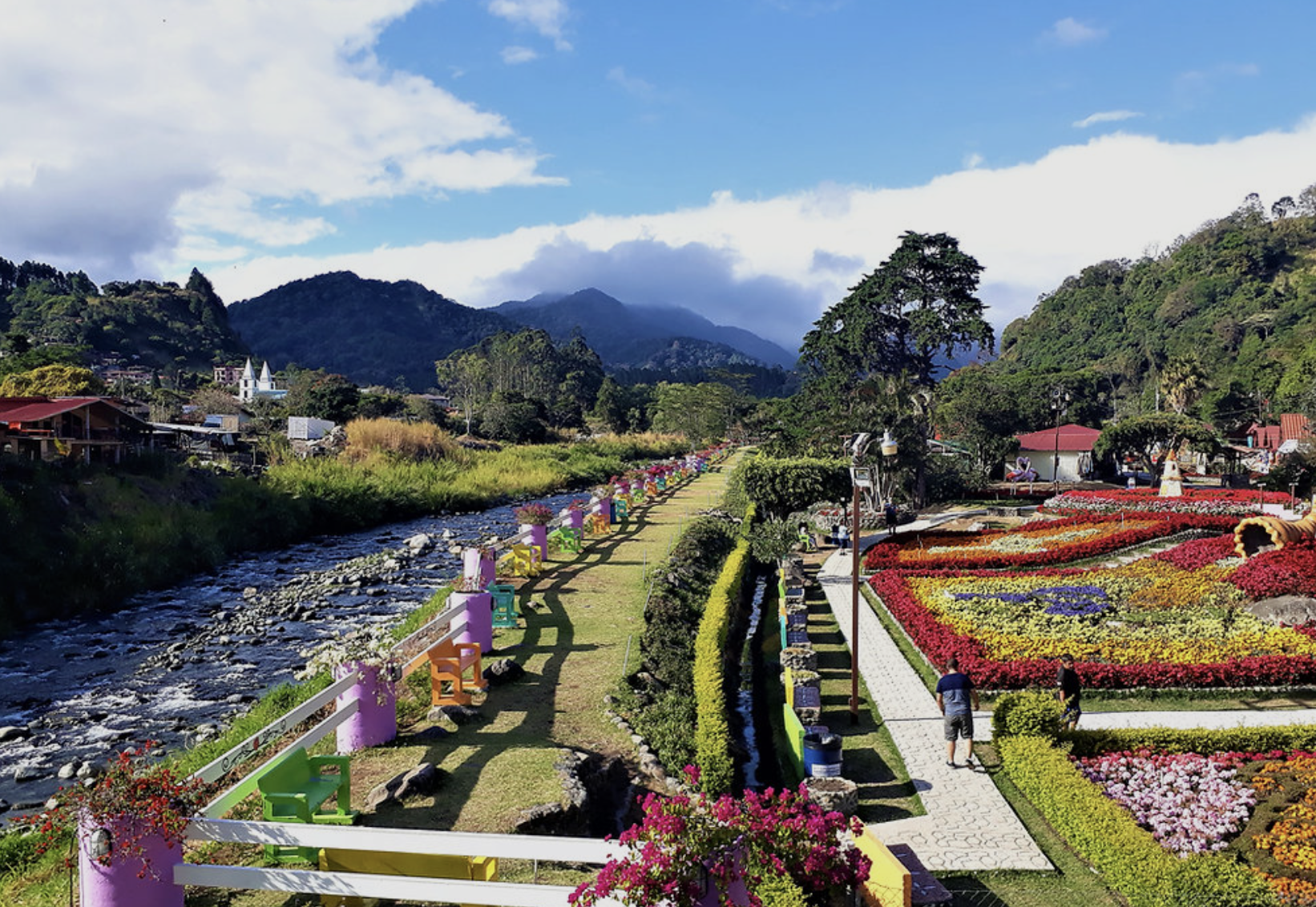
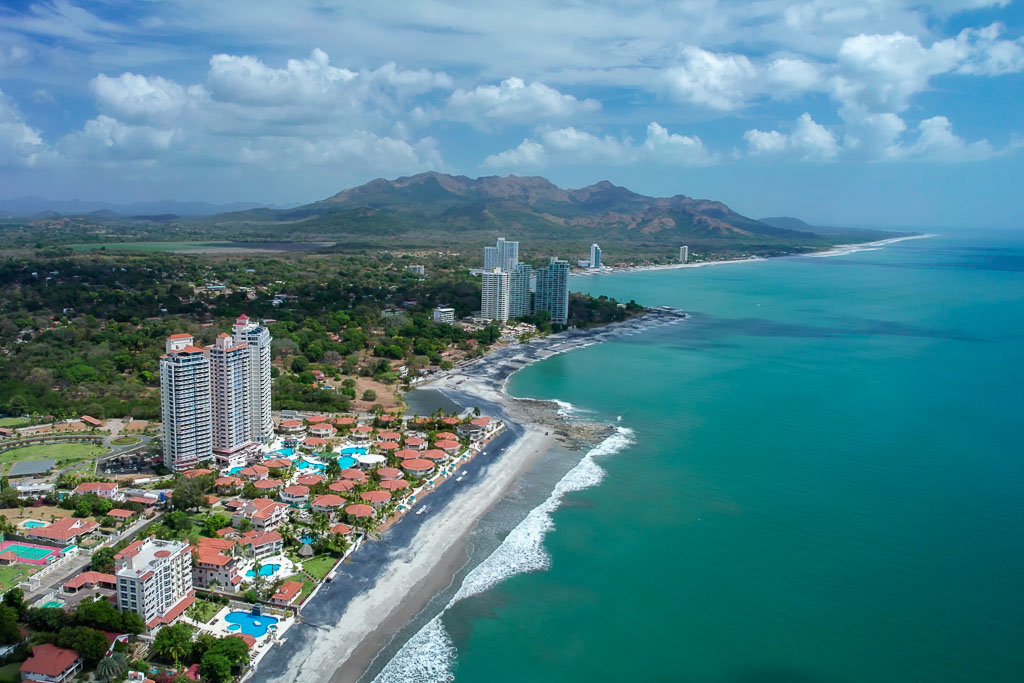
Panama is a small country with very different neighborhoods. The six that follow account for the overwhelming majority of the moves we help with. Each comes with its own trade-offs.
| Area | Best for | Feel | Healthcare access | Indicative rent (3BR) |
|---|---|---|---|---|
| Costa del Este | Families, professionals | Planned, modern | 10–15 min | $2,200–$3,800 |
| Punta Pacífica | Retirees, hospital proximity | High-rise, waterfront | Walking distance | $2,500–$4,500 |
| Clayton | Families with children | Leafy, residential | 15–20 min | $2,000–$3,500 |
| San Francisco / Obarrio | Walkable city living | Dense, urban | 10 min | $1,800–$3,200 |
| Boquete (Chiriquí) | A slower pace | Highlands, cool | 30–40 min, city in 1h flight | $1,200–$2,400 |
| Coronado | Beach living, part-time | Coastal, expat community | 60 min to city | $1,500–$3,000 |
Indicative rental ranges, 2026. Always verified with live listings before the visit.
Panama's newest planned district, built east of the old city. Wide boulevards, modern residential towers, international schools within walking distance, and most of the city's largest international companies. The feel is closer to a coastal North American suburb than to a traditional Latin American neighborhood.
Best for: professionals, dual-career families, and clients who want the modern-apartment experience without the density of downtown.
Full neighborhood deep-dive
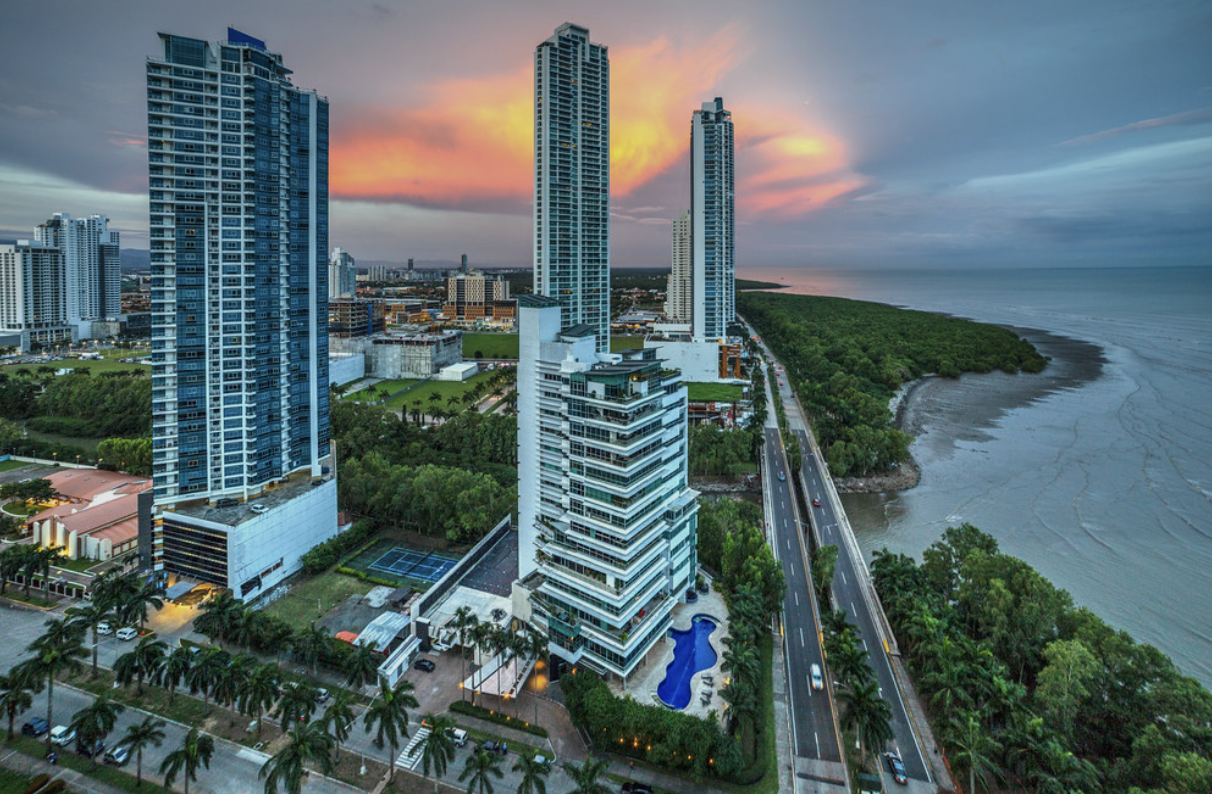
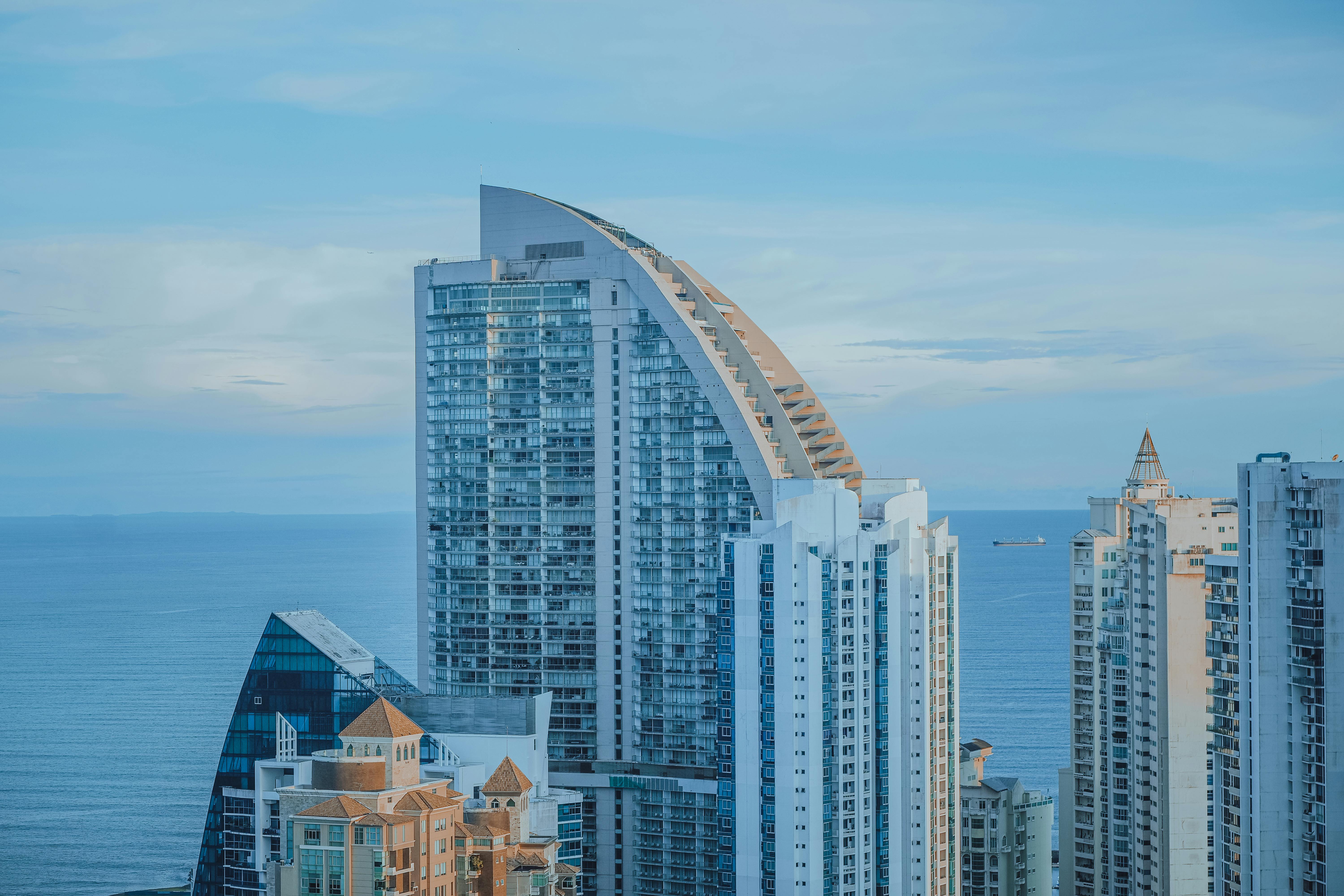
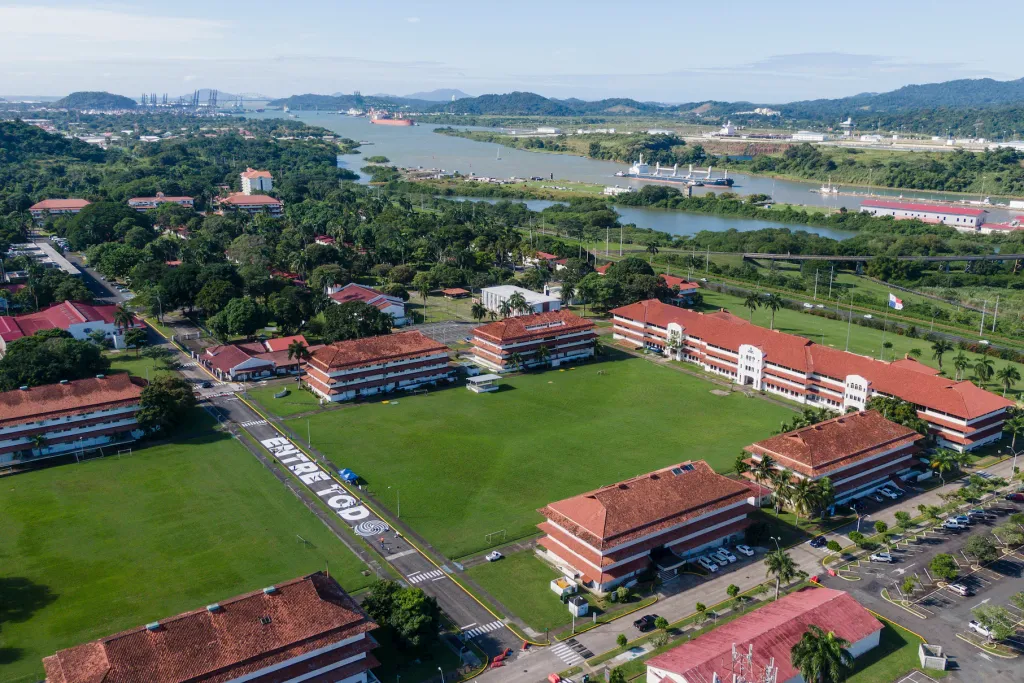
A waterfront high-rise peninsula on the western edge of the modern city. The defining feature, for our retired clients, is that Hospital Punta Pacífica is directly adjacent — a genuine walking-distance proposition for specialist care and emergencies. Views are mostly of the bay and the Cinta Costera.
Best for: retirees and clients who want to prioritize healthcare proximity above almost every other consideration.
Full neighborhood deep-diveBuilt on the former site of Fort Clayton inside the Panama Canal zone, this is the closest thing Panama City has to a residential village. Leafy, quiet, low-rise, and home to several of the city's top international schools, including the International School of Panama and the Balboa Academy. Family life here is calm and safe.
Best for: families with school-age children, clients who prefer houses to apartments, and anyone whose image of "living abroad" is closer to Wellington than Dubai.
Full neighborhood deep-dive

The city's most walkable neighborhoods, with a density and rhythm that many of our clients didn't realize they wanted until they spent a week there. Parque Omar sits between the two districts. Restaurants, cafés, small galleries, and specialty grocers are all reachable on foot. Traffic is real; a car is still useful but not essential.
Best for: clients who want the rhythm of an actual city — the ones who always preferred London to the countryside.
Full neighborhood deep-diveA small mountain town in western Panama, 40 minutes from David (the regional capital) and a one-hour flight from Panama City. The climate is cooler — 18 to 25°C year-round — and the pace is markedly slower. A well-established international retiree community, good cafés, credible regional healthcare at Hospital Chiriquí, and an hour by car to the Pacific.
Best for: retirees who want green over glass, who are willing to trade specialist proximity for climate and calm.
Full neighborhood deep-dive

An hour west of Panama City by car, with a long-established expat community, beaches, golf, and a number of well-run residential developments. Less isolated than it sounds — the Pan-American Highway runs straight back into the city. A number of our clients end up with a weekend place here in addition to a city base.
Best for: clients who want coastal living without committing to being far from the city's hospitals, schools, and airport.
Full neighborhood deep-diveEvery serious client gets a written neighborhood shortlist in their Panama Brief. Your shortlist will look different from anyone else's.
Book a discovery conversation